Page 2 of 3

Week 4 – Blog Post

From this week, the assigned reading was a chapter from Erik Qualman called Digital Leader: 5 Simple Keys to Success and Influence. This book is about how digital communication and networking can build and strengthen leadership, and Chapter 16 specifically looks at empowering others by working together, trusting each other, and building meaningful connections. One thing that stood out to me from the reading was the collaboration aspect. Qualman (2012) explains that the power of effective leadership is not about controlling each decision or having or always needing to have the answer, but instead it is about creating a space and opportunities for others to contribute, show their strengths, and make them feel valued. I can see a major connection to PLN’s and how they function. In a PLN, you see and experience different experiences and knowledge from multiple areas of life, work, and more. You learn from the collaboration instead of information from a single source.  

I found the idea from the chapter I found interesting was finding a network before you actually need it. I have felt that it is easy to reach out to others only when you need help. I am someone who is independent and finds it hard to ask for help and struggle till the task is completed,  but reading this chapter emphasises creating authentic relationships over time so that the trust and support are ready and available when a challenge exists, and makes me realize I could be closing doors I didn’t know were there to be opened. This makes me realize the importance of actively engaging with personal and professional communities and not just passively obverse them or fight with myself to do it alone. Whether it is commenting on a post, giving a resource, sending an email, or participating in a discussion, these small interactions can help build connections,  

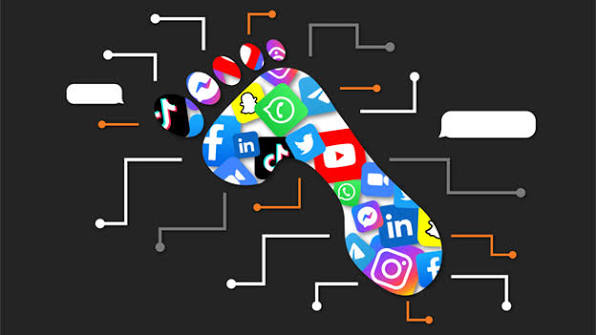
The last point that resonated with me was the topic of digital footprints and online engagement. My digital footprint started at a young age and has been continuing to grow for the last 12 years or even more. The chapter makes a point that instead of focusing on every negative comment or criticism,  people should focus on positively contributing and creating meaningful material and content (Qualman, 2012). I think this point is especially prevalent right now when so much of our professional and personal communication happens online. This reminds me that our digital presence is constantly building and continues overtime. It shows that the way we interact shapes how we are perceived. Overall, this week’s reading symbolised the idea of strong relationships, positive contributions, and the willingness and being open minded to learn are some of the most important aspects of leadership and personal growth. 


Sources 

Digital Leader: 5 Simple Keys to Success & Influence Ch. 16 Qualman, Erik – Empower Others https://tinyurl.com/2afvzd7b

Image 1: https://www.magnific.com/vectors/community-support-illustration 

Image 2: https://www.in.gov/cybersecurity/blog/post/how-can-you-protect-your-digital-footprint-online


Group Assignment 2

Here is our group Assignment 2. 

Our topic was on “The effects on learning due to the COVID -19 pandemic”. We made this assignment a podcast style and split our work by the four main focus questions on. our project was broken down by:

  • What is your distributed and open inquiry question? 
  • What is the relationship of your topic to teaching and learning?
  • What are the pros, cons, and risks?   
  • What are some of the strategies, best practices, and tips regarding your inquiry findings?    

In our podcast, I am the 2nd speaker completing the 2nd question from the list above

I looked at research that could help explain our topic an the shift between in-person to online/remote learning.

Sources

Source from my part:

Koh, J. H. L., & Daniel, B. K. (2022). Shifting online during COVID-19: A systematic review of teaching and learning strategies and their outcomes. International Journal of Educational Technology in Higher Education, 19(1), Article 56. https://doi.org/10.1186/s41239-022-00361-7


Sources other sources from project:

J. Broadbent, W.L. Poon, Self-regulated learning strategies & academic achievement in online higher education learning environments: A systematic review, The Internet and Higher Education, Volume 27, 2015, Pages 1-13, ISSN 1096-7516, https://doi.org/10.1016/j.iheduc.2015.04.007

Koh, J. H. L., & Daniel, B. K. (2022). Shifting online during COVID-19: A systematic review of teaching and learning strategies and their outcomes. International Journal of Educational Technology in Higher Education, 19(1), Article 56. https://doi.org/10.1186/s41239-022-00361-7

Madland, C., & Irvine, V. (2026, June 10). Week 5 [Zoom lecture]. EDCI 339,  University of Victoria.


Blog Post #3: Public PLN


This week’s blog post made me think about just how much responsibility comes with postings on social media and contributing to the online space when you have a bigger following. Before this course, I used social media as a communication tool and a source of dopamine (which I know isn’t the best).  Some of our videos and readings this week were about how we can use social media to build trust, shape how the public perceives us, and contribute to bigger ideas and conversations. This week, we watched a guest lecturer named Sophie Lui. Her topic on working in the public eye stood out to me because it targets how intentional people need to be, or even guarded, which is a word that comes to mind when they have a larger audience. Instead of using social media casually or for a fun outlet of expression, notable figures need to be cautious, with some even going through PR training just to make sure they are educated. 

Hirst (2018) talks about how misinformation and fake news get more views because it grabs the viewer’s attention, maybe because of the language, if it is a written post, or because it is clipped in a way to draw the viewer in at the beginning of the video. This makes me think about how it is so easy to view inaccurate information. With AI advancing, I see how people like my parents, who have not grown up with social media, can not distinguish between what is real and what’s not.  My dad will send me videos where I can tell they are AI but he can’t. This is an example of inaccurate information that is getting traction because the content is attention grabbing. On the other hand, people in positions or jobs that the public trusts, such as doctors, lawyers, or educators, the things these individuals post or interact with can be a greater risk because their credentials or professional reputation can affect the things they have worked so hard for. 

We have so many people with different experiences that could be in life, beliefs, socioeconomic status, family, work, all driving perspectives that could contribute to the conversation. Social media algorithms can be created around the things you search, like, the people you follow, all because it is things that we align with. The conversation we engage with can become tricky if the places we get our content from don’t go beyond our personal algorithms. This is why having a PLN that is diverse and wants credible information or media literacy. A space that encourages critical thinking, fact-based information, and respectful dialogue. Media literacy can help build you personally or when there may be arguments or discourse, it can help prompt thoughtful engagement with information rather than passively accepting it.

PLN & Education

The TED Talk video titled Encorporating & accounting for Social Media in Education by,  for this section by Henry Dyer  in 2016 emphasises how a PLN can be a tool for professional growth and continuous learning. One thing that has made these things possible is social media.  Social media has been able to make these connections more accessible, helping is going far beyond formal education settings. Some things a PLN and Education would have in common are that they both use collaboration, offer access to multiple perspectives, and help stay current with new information. 

Several platforms on social media help in the development of professional learning in an educational context. Linked in is used to help professionals network, while on the other hand, while this doesn’t happen as much now X used to help educators find people to discuss and access current information from people in the field. YouTube would be another app that helps provide instructional videos, tutorials, or even the TED Talk we watched for this week. These platforms can strengthen a PLN because it gives opportunities to learn from others on a continuous timeline. 

While people work in sectors with a vulnerable population, this could be children or youth, social media must be used carefully and professionally. Teachers or Educators must keep their lives separate and maintain their privacy, confidentially, and set appropriate boundaries online. There should be specific guidelines, whether they are put in place by the institution or maybe just an educator created for themselves, that should be stuck to. The TedTalk highlights that professionals need to be mindful of their digital footprints, going back to how, when you have an online presence, this can be influential in some capacity and can be damaging if not done with thought about how it could be perceived.


Sources

Digital Literacy Skills – Media Literacy pp.66 https://tinyurl.com/4n2cn89n

 Incorporating & accounting for Social Media in Education

Journalism by Martin Hirst Chapter 4. The Political Economy of Fake News – pp.78

http://ezproxy.library.uvic.ca/login?url=https://www.taylorfrancis.com/books/9781315401263

Media Literacy – Facts Matter – Course YouTube Channel 


Process post #1

For our inquiry project, our learning pod is working on understanding the impact of social media on our attention spans. How does social media usage affect productivity, focus, and learning in digital environments? 

For my first process post I will be diving into research, consulting course content that could be applicable and reflecting on our own social media and online habits. 

At the starting of our inquiry project, our learning pod created a google document where we listed out the tasks to be accomplished and delegated them among the learning pod. 

This week’s tasks included: 

  • Gathering research/stats that discuss the social media use in teenagers and its impacts 
  • Looking into Australia ban on social media usage for teenagers and the impacts of the ban. 
  • Looking through the course content to find research on how social media is used in education and learning

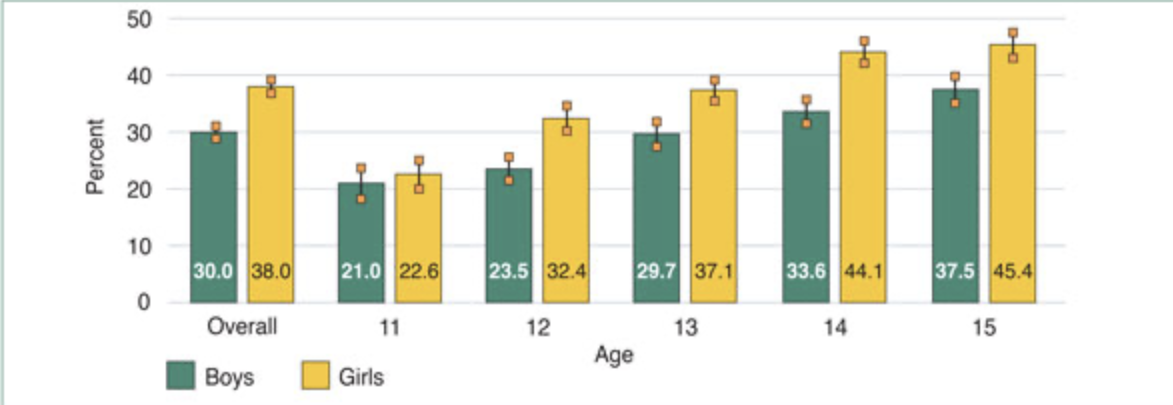
Before I jumped into the research I wanted to get an understanding on social media use in youth. One source I found was by the Public Health Agency of Canada (2022), where they completed a survey of over 17,000 youth that found that 3 in 10 boys and 4 in girls ages 11-15 used social media extensively (seen in figure below). This usage is not just scrolling for hours, but is being used as a tool to connect with classmates, family, and friends.  

Figure 1
Percentage of students who reported extensive social media use by age and gender


   Additional research I looked at was a review completed by Santos et al, (2023) who analyzed 50 articles that looked at potential connections between adolescents mental health impacts and screen time. When observing the data in conclusion they found that prolonged screen use showed greater impact negatively on mental health especially on younger females (Santos et al., 2023). They also touch on how different languages should be adopted, and the term “screen time” does not accurately reflect what their target research is and how that term is broad. There is a major difference between a cell phone for personal use and a computer in an educational context.    

When thinking about the negative effects social media can have, many examples could be used. One of the more relevant topics that comes to mind would be legislation that was put into place in Australia. The Australian government banned social media usage for youth under the age of 16 due to concerns of mental health effects, online hate and potential predator factors (Fardouly, 2025). When we think of all the ways social media is used these can be factors, but what about how we access other content?  Educational content through personal learning and school use websites like Youtube that were a part of a ban. Where even in my personal learning at that age, I was asked to use these websites to view Ted Talks.  An article published by Prendergast and Dyer (2026) talks about this exactly. They looked at how tension can occur when media coverage highlights the ban while simultaneously taking away children’s access to social media and the impacts that could have. They found at the end of their analysis that while the goal of law makers was to protect youth at the same time they are incorrectly generalizing young people and the way they use social media (Pendergast & Dryer, 2026). After this a question I have is maybe banning social media is not as  effective and looking into better strategies could be more beneficial such as teaching youth about internet safety.       

Another aspect of the inquiry includes understanding our social media habits (that we will work collectively as a group): 

  • Stats: average screen time, most common app used, how many time is the phone unlocked 
  • Reflection: When do we tend to use social media, and does that have any significant impacts in our learning (distractions)
  • Future implications: Would limiting social media use have any changes on our ability to learn better (ie. improved attention spans) 

One thing that really stood out to me while researching this topic was, I found it was sometimes difficult to separate the positive and negative impacts of social media. Although many studies focus on concerns about distraction, reduced attention spans, and mental health challenges, social media usage, communication and learning for many young people.

In my personal reflection, social media is used daily, often switching between educational content and entertainment. This has made me curious about whether social media is actually reducing our ability to focus and what kind of content we are absorbing intentionally and unintentionally. We all use social media in personal and educational ways and have a decent ratio of both.

We believe our inquiry connects well with digital learning environments, learner engagement, and self-regulated learning. As we continue our project, I am interested in exploring how learners can balance the benefits of open access to information with the challenges of distraction and maintaining focus. 

Going into next week I will be looking at our own habits and tracking our personal social media use. I am hoping to track this for the remainder of the course to see whether changes to our social media use affect our productivity, concentration and overall learning experience. 


Sources 

Fardouly, J. (2025). Potential effects of the social media age ban in Australia for children younger than 16 years. The Lancet. Digital Health, 7(4), e235–e236. https://doi.org/10.1016/j.landig.2025.01.016


Prendergast, K., & Dyer, E. (2026). Youth social media age restrictions: examining Trans-Tasman media coverage of Australia’s social media ‘ban. Journal of Youth Studies, 1–17. https://doi.org/10.1080/13676261.2026.2626495 


Public Health Agency of Canada. (2022, January 4). Social media use, connections, and relationships in Canadian adolescents: Findings from the 2018 Health Behaviour in School-aged Children (HBSC) study. Government of Canada. https://www.canada.ca/en/public-health/services/publications/science-research-data/social-media-use-connections-relationships-canadian-adolescents.html 

Santos, R. M. S., Mendes, C. G., Sen Bressani, G. Y., de Alcantara Ventura, S., de Almeida Nogueira, Y. J., de Miranda, D. M., & Romano-Silva, M. A. (2023). The associations between screen time and mental health in adolescents: a systematic review. BMC Psychology, 11(1), Article 127. https://doi.org/10.1186/s40359-023-01166-7  

Assignment 1 Proposal: Social Media and Attention Spans

Inquiry Topic

  •  Social Media and Attention Spans: Does social media support learning or reduce focus and productivity?

Inquiry Question: 

  • How does social media affect attention span, focus, productivity, and learning in digital environments?

Purpose of the Inquiry

  • The purpose of this inquiry project is to explore how social media impacts concentration, learning habits, and productivity in online environments. Social media platforms such as TikTok, Instagram, YouTube, and X are increasingly used for communication, entertainment, and educational content. However, these platforms may also contribute to distraction, reduced attention spans, and difficulty maintaining focus.
  • Through this inquiry,  we want to examine both the positive and negative effects of social media on learning and productivity while reflecting on my own digital habits and experiences.
  • This topic connects to distributed and open learning because many learners now use social media as a source of information, collaboration, and educational content.

Learning Plan and Weekly Blog Posts

Week 1: Understanding Social Media and Learning

  • Look online and through course content to find research on how social media is used in education and learning 
  • Looking research or stats on search time preferably in ages 12-18 on social media use and screen time
  • Look into Australia banned social media for children under the age of 16
  • Reflect on my own social media habits and attention span

Week 2: Attention Span and Digital Distraction

  • Look into how prolonged scrolling and notification could affect focus/ concentration
  • Track our personal screentime including distraction
    • Could be documented by screen time app or journaling  
  • Compare study sessions with and without social media access
  • Compare studying or school work with and without phone distractions or social media 
    • This could be by keeping the phone somewhere else 

Week 3: Educational Content on Social Media

  • Engage in and analyze educational creators on our social media platforms: 
    • Tiktok
    • instagram 
    • Youtube   
  • Critically think about based on research from past weeks or our own experiences whether short-form content improves or weakens learning 
  • Look into credibility of the content we are engaging in by fact checking with peer reviewed research: what did we find 

Week 4: Reflection and Final Evaluation

  • Summarize our findings about or inquiry topic and question
  • Reflect on our own experiences and possible changes in productivity and focus the past weeks 
  • Evaluate based off the past weeks if social media is more beneficial or harmful for learning. 
  • Track other factors like sleep, mood and overall feelings and talk about potential changes we would or could make to better ourself and our productivity 

Technologies and Platforms

To document our learning we will:  learning, I plan to use:

  • Post weekly on our wordpress blogs
  • Use apps or a calendar or some sort of planner to track weekly tasks and keep ourselves accountable 
  • Use screen time tracking tools and screen time limits on problematic apps
  • Use educational resources, articles, podcasts, and videos

Multimedia and Open Resources

Each weekly post could include:

  • Reflection and analysis and research based on week above 
  • Screenshots or graphs related to screen time or 
  • Journal entries
  • Mind maps or visuals similar to that
  • Links to articles, videos, podcasts, and educational resources we found helpful

Expected Outcome

By the end of this inquiry project I hope to be able to better understand the effects of social media use and how it plays a role in attention span and focus. Whether that be from research and better educating ourselves or from personal experience and improving in areas because of this assignment.


Reflection # 2

This week in class we took a look at websites that made us more aware of data privacy, digital consent, and the way that our information is tracked when using the internet. 

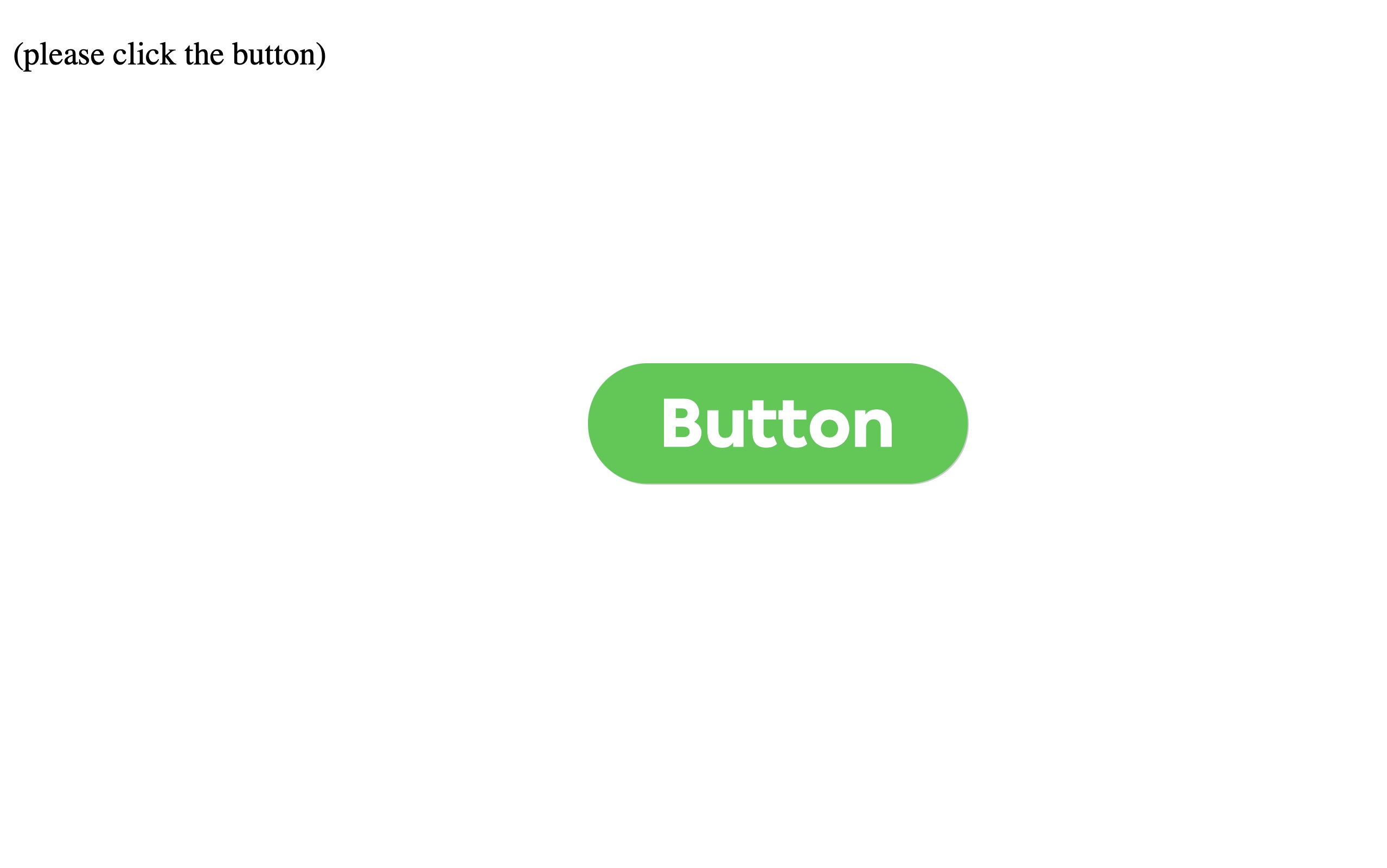
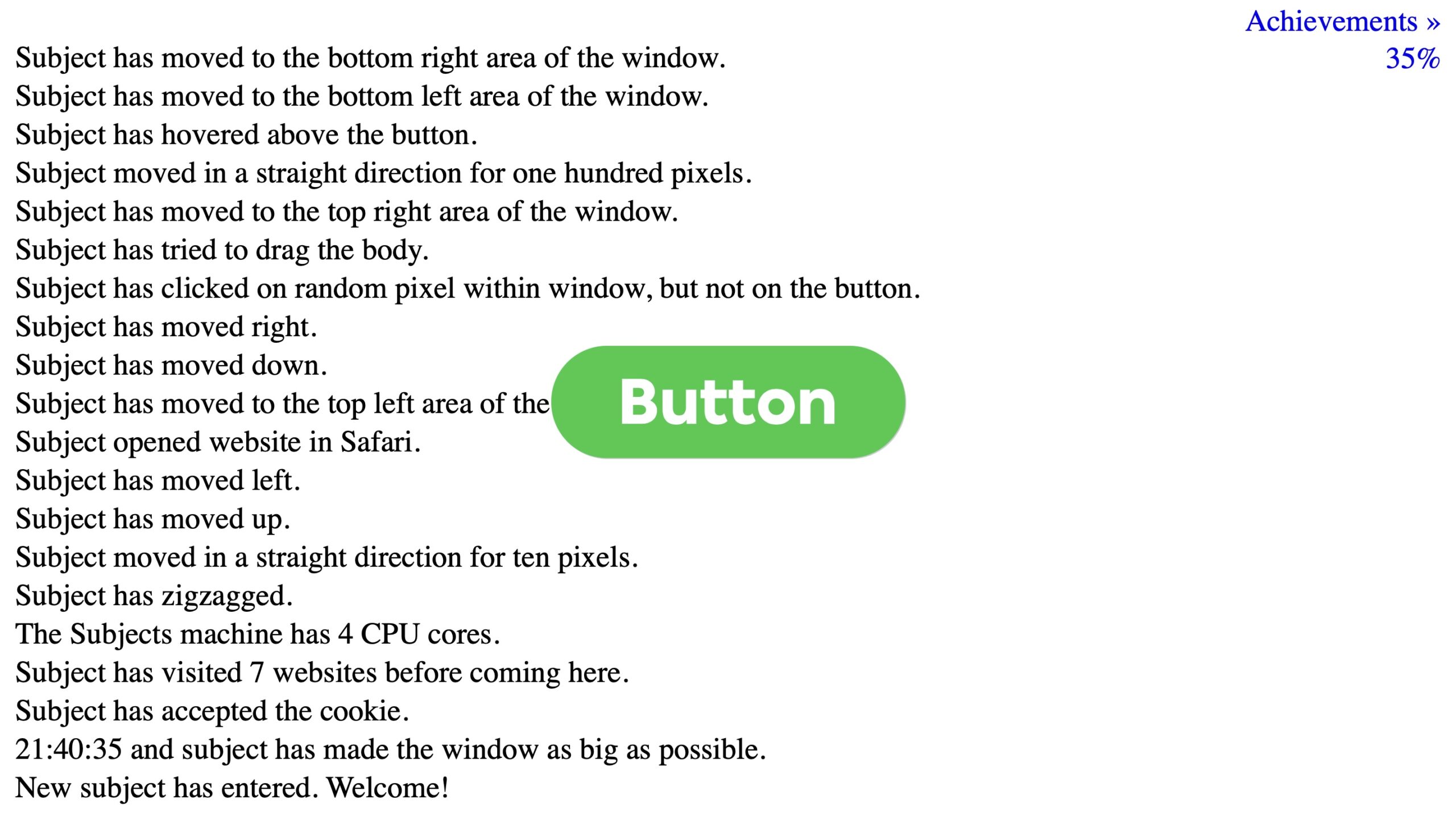
In our class on May 20th we looked at a few websites that I am going to break down into more detail below. One of the first ones we were asked to look at was a website called “clickclickclick.click.” This website is interactive with the motion you do and the things that you click. It can tell where the mouse moves on the track pad and even if you go off the tab will know how long the site was inactive for. In the images below you can see how the website starts off and what it looks like after I have used it, showing the list of things like my mouse movement, inactive status and more. 


  Screenshot

Screenshot

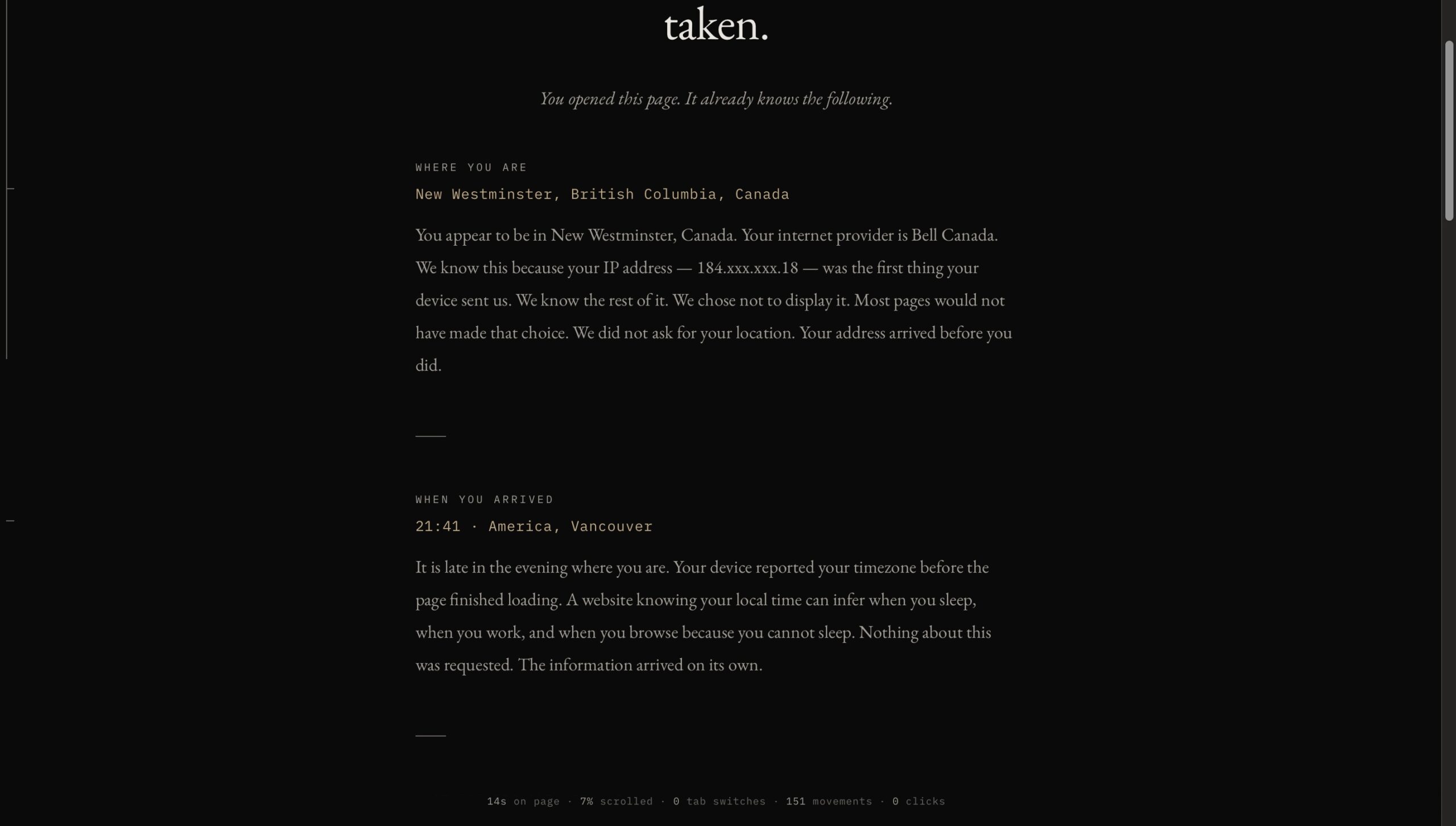
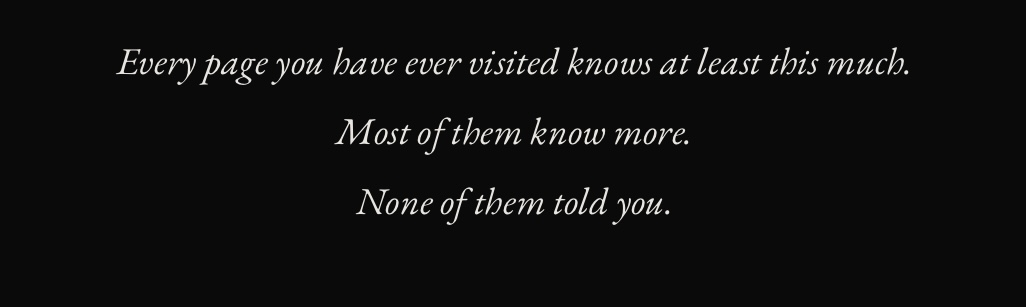
The second website we were asked to take a look at was “Since You Arrived” . As soon as you clicked on the link there was a very ominous feel to the website and revealed way more than I knew was available to see. It was able to tell me where I was accessing the website from and gave me a parietal IP address, my time zone, what search engine I used to get to the website, the website I came from before arriving at this one, and so many more creepy things. When you scroll to the bottom there is a message that reads “Every page you have ever visited knows at least this much. Most of them know more. None of them told you.” This is a scary message and not something I never gave much thought to until now. 

Screenshot

Screenshot

The next website we looked at was “Privacy.net. I wasn’t able to look into too much of the website just due to time constraints in class but after I did go back and get a better idea of what the site purpose was. Privacy.net was very similar to the last website being that it was able to tell me my IP address and give me more details on what could be accessed and how hackers or people trying to get my information could easily access certain information. Something I noticed when accessing this website for the second time was during my break on a work computer. I clicked the link and it looked different. My IP address was now showing as a location in Alberta. I got curious so I asked our IT department. They said they have technology that blocks/edits the IP address to make sure the browser is extra secure due to the confidential information we have in our system. 

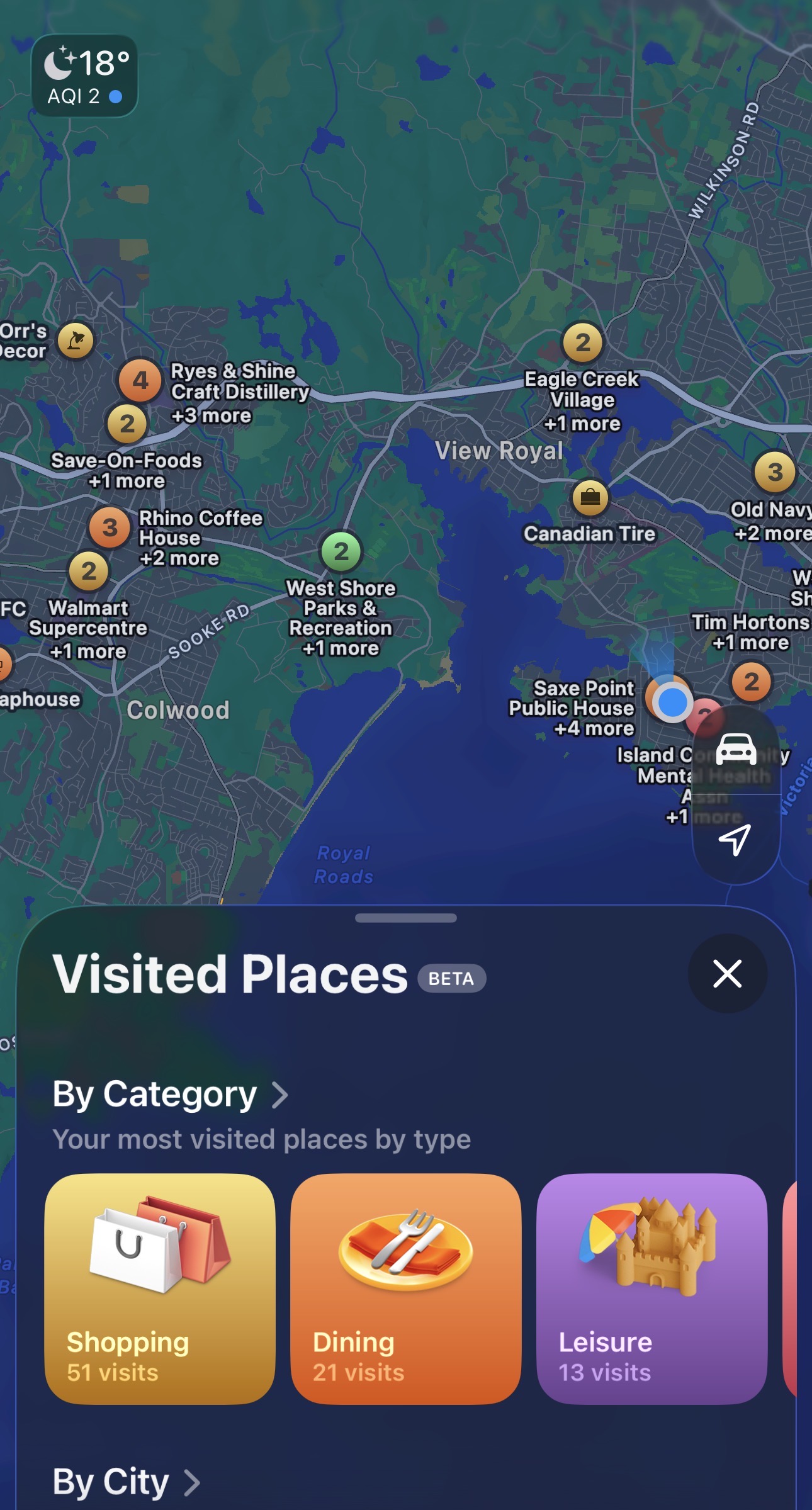
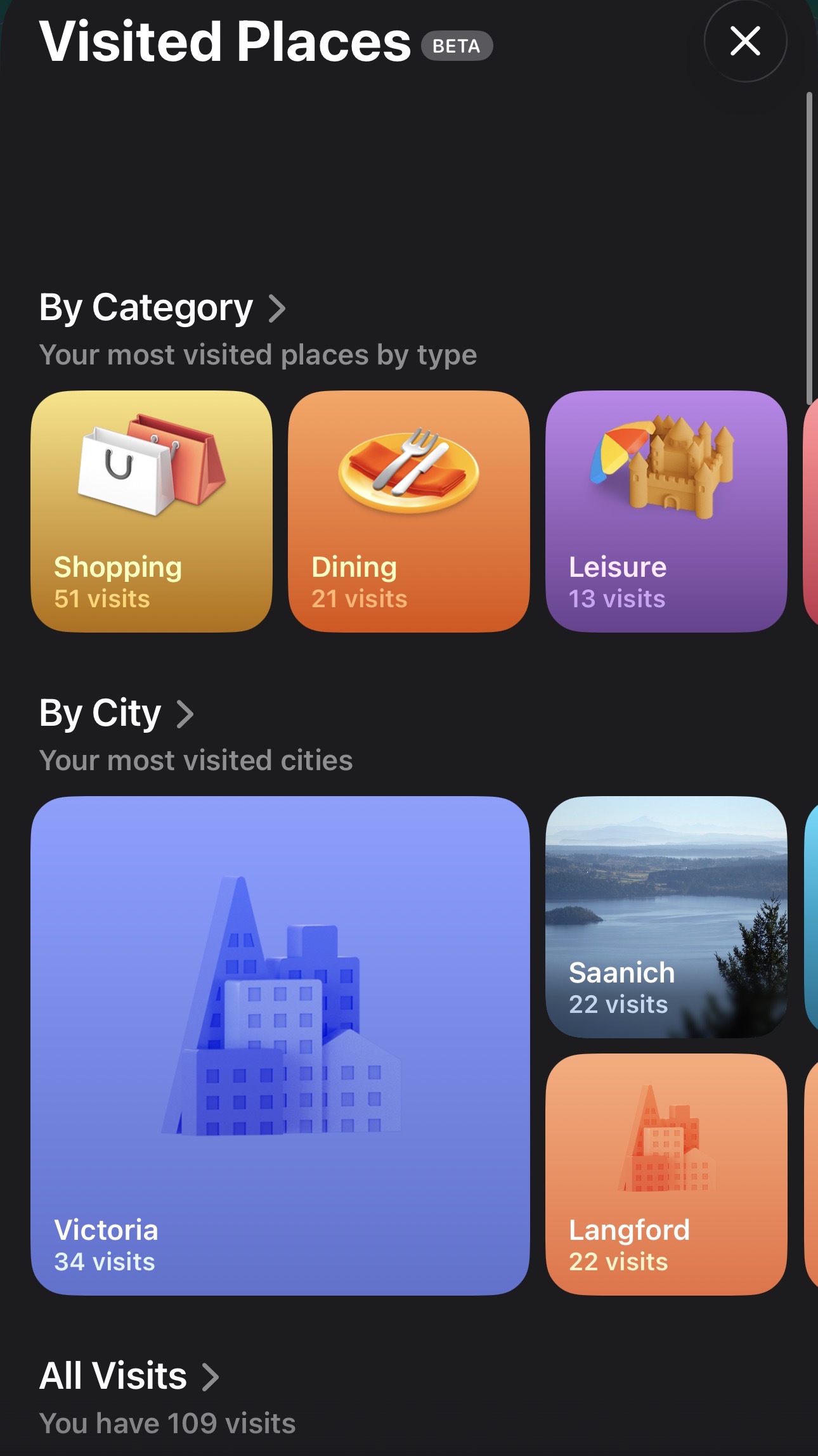
The last task we had was to go to google maps and look at our timeline. I am not the biggest fan of google maps and more used my iphone maps. I was curious to see if the app had something similar to Google’s platform. I went to the maps app and lo and behold they do. When you click on your icon it will give you a list of options. There was a tab for “Places” and when I clicked on it I listed all the locations I have visited and went back as far as February. It was grouping the location I had been to by categories such as municipalities in the Greater Victoria Area, shopping locations, dining, leisure, health, and so many more. It also showed a map view of all the locations I had been to in the last 3 months. I also noticed that it had a saved location to the place that I worked. I realized this was the case because in my calendar I linked my work location because I requested my phone to remind me 30 minutes before my shift starts and that is prompted by setting a location for the calendar event.

Screenshot

Screenshot

If I am going to be honest this week was a scary one. I had no clue these were things that my devices were capable of. My ignorance was bliss until this website opened my eyes to the things happening behind the scenes when I go to a website or use a simple app like Maps.  I have been able to secure my browser more and started to do more learning on how to protect myself when using the internet.


Blog # 2: PLN, Diversity & Inclusion, Risk and more…

 Professional Learning Networks

My professional digital identity as of now has improved in the last couple of years, and now I have moved more towards outlets like Linkedin. I like to think that platforms like Brightspace and Uvic domains are all getting me towards my professional goals. I like to think of my education as my profession as well. While I use my personal social media accounts more consistently used than my professional ones, I can make a connection to how important it can be to help me network and build my future career, especially with my personal take on what I define as my current profession. I think one way I could broaden my PLN is to be more active on LinkedIn and be more open to building my connections on the platform. That could be connecting with more professionals in the areas I am interested in and engaging more in psychology and future  career content online.  Being a student myself, many others like me use platforms like LinkedIn, Microsoft Teams, and discussion boards or blogs as we use for this class, and even crazy enough, Instagram to build professional relationships. They can also be used to collaborate with others and open future career doors. This was looked at in research by  Staudt Willet et al. (2024), who looked at the use of these platforms for students at post-secondary, working toward becoming teachers. They found that these social media platforms have helped students in expanding their PLN’s with people in the same field and a support system from people who understand. With the end goal of focusing on collaboration, mentorship, and even professional development when they started in their teaching careers.     

Diversity and Inclusion in PLNs

My PLN has opened up opportunities to hear and learn from many diverse voices. I have been able to engage in content from people of all different backgrounds, cultures, and communities, which has given me the ability to understand a variety of ideas and viewpoints that are different from my experiences. I am able to abandon a naive mindset, and actually, from these individuals’ experiences, it is an amazing reminder of how important inclusion and respect are in conversations that need to and can be on these online platforms. When we have a diverse PLN, this can help us become more open-minded to people’s experiences and ways they live their life, whether that be based on culture, socioeconomic status, physical ability, and so much more. Research was published by Montgomery in 2018, and focused on ways social media is being used as a new tool for people and groups who are underrepresented to connect, communicate, and can even be used as an advocacy tool.    

Challenges and Risks of Social Media in PLNs

In my everyday life, when and if I post online, I’m not only mindful of single individuals viewing my accounts but also the professional or even future employers. As of now, I have my account private. This is to help me  protect myself and my image. With a public account, anyone can follow, whether that be a friend, family members, a fake account, or even accounts that could be damaging to my image and that don’t align with my personal views. One of the things that I am mainly focused on right now would be future employers and what they can see on my accounts. Imagine them looking through a group of applicants, and their digital identity could be the reason you do not get the job.  Your digital identity can have a real impact on your future opportunities. While people use social media to connect, it can also bring challenges because posts can be misunderstood, easily sent from person to person, and could even damage your reputation. I think social media has so many positives, but it also comes with some downsides or challenges. It is an amazing tool for people to learn from each other and stay informed about current topics around the world. This can be backed up with research by Carpenter and Harvey (2019), who looked into the challenges educators face when using social media personally and professionally. They looked at stress and online pressures, conflicts or negative interactions with others online. They found that these can lead to emotional strain, self-judgment, and privacy concerns with who is viewing their accounts. While they note that social media can be beneficial to their PLN’s, it can also impact multiple aspects of their lives.


Carpenter, J. P., & Harvey, S. (2019). “There’s no referee on social media”: Challenges in educator professional social media use. Teaching and Teacher Education, 86, Article 102904. https://doi.org/10.1016/j.tate.2019.102904 

Montgomery BL (2018) Building and Sustaining Diverse Functioning Networks Using Social Media and Digital Platforms to Improve Diversity and Inclusivity. Front. Digit. Humanit. 5:22. doi:10.3389/fdigh.2018.00022 

Staudt Willet, K. B. (2024). Early career teachers’ expansion of professional learning networks with social media. Professional Development in Education, 50(2), 386–402. https://doi.org/10.1080/19415257.2023.2178481 


My VR Map

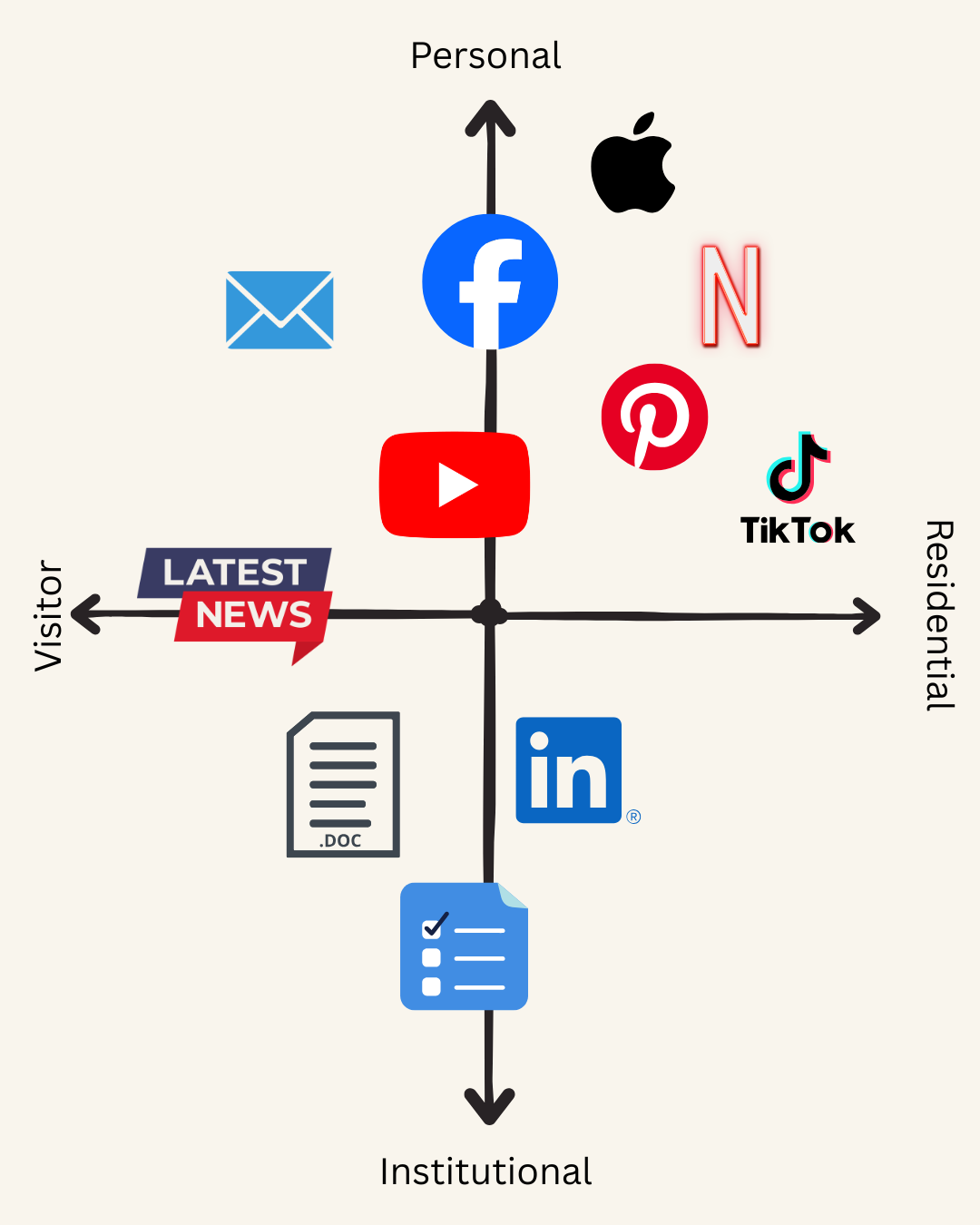
In my personal learning network, I would say there is a variety of professional and personal sites, apps, and websites I use. The platforms that I use most (and that appear in my screen time the most) are Instagram, Safari (for Brightspace), TikTok, YouTube, Apple Music, and Gmail. Some of these apps I use mainly for personal use, while others are for professional use. There is also a merge of education for my professional life/school, and my personal education. This project was a great way for me to visualise this better and realize how the things that we use online is an amazing multitool and how it has built and influenced my digital identity.  Creating this Visitor and Resident map showed me that I use platforms vastly differently, and it all starts from what my purpose is. Brightspace, Google Docs, and Outlook are more towards the visitor category in my map because I mainly use them for my studies and education. On the other end of the spectrum, apps like Instagram, TikTok, Pinterest, and Apple Music are more aligned with my resident identity because my usage of these apps focuses on my ability to interact with people, engage in my interests, share content, and absorb new information. When using these and engaging with people via a digital platform we all do this differently depending on our goals, how we participate and what interaction people are seeking online. When I dove a little deeper into this thought, the research from our linked article from White and Le Cornu (2011) made a connection to how people’s online engagement is not fixed but is more similar to a continuum. This moves from “Visitor” and “Resident”. This article mentions and leans towards how people use digital spaces differently, and is all based on the specific context and why we are using the platform.


White, D., & Le Cornu, A. (2011). Visitors and Residents: A new typology for online engagement. First Monday.
https://firstmonday.org/ojs/index.php/fm/article/view/3171 

PLN & Public Communications & Digital Identity

What does it mean to network using social media?

In the day and age where the internet consumes our lives, we can look at this as a negative, but also a positive. One of those positives would be this exactly. Using Social media as a networking tool helps us continue making connections beyond just in person. These could be in educational and even professional contexts. It breaks distance barriers, allowing people all over the world to communicate, reach a larger audience, and consistently learn from each other, and quickly accomplish these tasks.  

How are we motivated to participate in networked publics?

When looking at networked publics, these are different digital spaces that help groups of people connect and share content. A way that social media continues these patterns is through algorithms and common interests of viewers. One example I am thinking about is how many times I look at my shared videos from my sister. Most of them are videos that I have already seen or even sent her. There are many reasons that people will participate in Networked Publics. Some of them are someone’s personal or professional growth. Showcasing their talents, ideas, and helping build their careers on a different level. There are so many examples of this, but one that comes to mind is upcoming musical artists posting their covers or original songs on social media to boost the audience and engagement, all to help the sales of their released music. Another would be a way of personal expression. You can curate a social media platform and show the viewer who you are. This could be a persona of you or the real, raw, authentic version of yourself. Social media can also be used as a form of validation. Seeing the likes, comments, and interactions with a post can be a motivational factor. 

 What are the risks & rewards of public communications?

The rewards of public communications can be so amazing when they work. Some include access to better securing employment or continuing education in any field, boosting your target audience’s confidence in your profession, or building supportive connections and partnerships. But on the other end, you can experience the risk or the consequences. With the age of AI expanding fast, there can be concerns of privacy. Although even before AI, I can think back to a time where guest speakers from high school would  would stress the fact that the internet is forever. Under this category would could see audiences misunderstanding messages or the context of what they are viewing. Similarly, this could lead to grey areas which can be damaging to the publishers reputation. 

Digital Identity

What is a digital identity?

A digital identity isn’t just what you post on Instagram, it is a multifaceted system. Under this umbrella, we can see this as the content that you post, but also information and the online behaviours of each and everyone of us. This can be a person’s username, profiles which include pictures and videos, community or support groups you engage with, and even all the way to your search history. These do not just exist to share your online persona, it can also be an influential tool. These influences can be seen in employment, academics, social relationships, and even experiences as a consumer.     

How do personal versus professional approaches to digital identity affect social media use?

In my personal life, my digital identity helps me connect with family and friends. I can use it as an entertainment or creative tool. At 11, I got my first device, while I did have my favourite shows or YouTube channels I liked, my most used app was Imovie. I loved creating little short films or trailers for little craft projects I had made. Professionally, my digital identity involves websites like linked-in to advance my future job opportunities as well as to network with like minded people in a professional environment. Another would be our class use of websites and university sites like Brightspace helping students work towards getting differing levels of achievements. The specific effects could be what they post and where they post it, different security or privacy settings put in place, and the way these messages or posts are delivered to the audience. In professional use post and content could be more polished and targeted to specific audiences, whereas with personal use, it could be more relaxed and what you want to post, not what an audience would like.   

How do digital identities converge in networked publics – what are the impacts and/or benefits?

Places where these identities intertwine are audiences, what you post, and where you post it which can be viewed by anyone. Again, the internet is open, but also forever. This merges with how posts intended for specific audiences can be seen by others and taken in a multitude of ways. When posting, commenting or using the internet in any way can become an obsessive thing. Making sure you are curating the “perfect post” can cause feelings of pressure to make it seamless. This can lead to negative thoughts or could even take a toll on your mental health. The constant comparison to other people or professionals can leave feeling anxiousness, stress, or even lower self-esteem more prevalent. An example that I think could relate to this is a person who is working in the political sphere or a law enforcement officer. This is because their online presence is carefully curated and closely monitored by the public. What they post could positively or negatively affect them. 


Sources       

Personal Learning Networks.” Shift eLearning, https://www.shiftelearning.com/blog/personal-learning-networks

“Understanding Personal Learning Networks: Their Structure, Content and the Networking Skills Needed to Optimally Use Them.” First Monday, vol. 17, no. 9, 2012, https://firstmonday.org/ojs/index.php/fm/article/view/3559/3131.

Spracklen, Karl. “Identity-Making and Social Media.” The Digital University, edited by Michael Thomas et al., Palgrave Macmillan, 2014. SpringerLink, https://link.springer.com/chapter/10.1057/9781137405876_6

Stoller, Eric. “What is Digital Identity?” Eric Stoller, https://ericstoller.com/blog/what-is-digital-identity/.

World Economic Forum. The Value of Digital Identity for the Global Economy and Society. Davos Press Conference, 2019. YouTube, https://www.youtube.com/watch?v=1-V7lyxrOmw.

Intro from me to you

Hi everyone, my name is Hana Blaicher, and I am currently in my fourth year of a Major in Psychology and my Minor in Business.

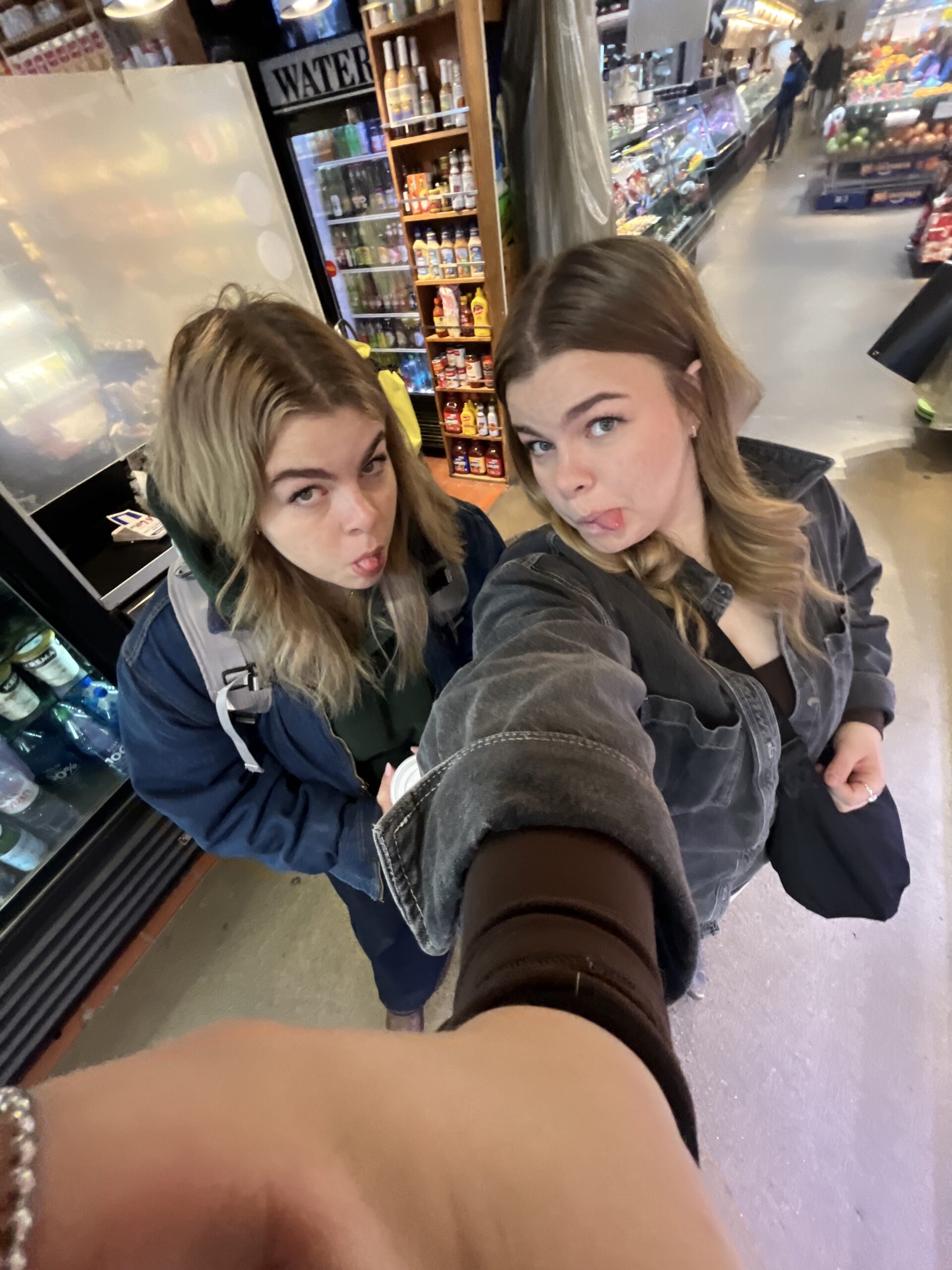
I was born and raised in Victoria, B.C., and have lived all over the island in my 22 years of life. All of my family lives on the East Coast, my dad being the one to break that cycle. He came out to Victoria for the first time at 20, got a job as a lifeguard, and after spending one winter here, decided Victoria was way too nice to ever leave compared to Ontario. So now whenever I get the chance, I go to Ontario to visit family. Family is one of the most important things to me, and…. My favourite fun fact is that I am an identical twin! (I’m on the right)
I have been at UVIC for four years and have always known Psychology is what I wanted to study since I  was introduced to it in high school. My high school class was fascinating, and I had never enjoyed a class more. It really felt like the saying “time flies when you’re having fun”. My experience at UVIC has been slightly different in the last couple of years, but I am excited to finally take the more specialized course in my major to dive into what I really want to do, which currently is Forensic Psychology.

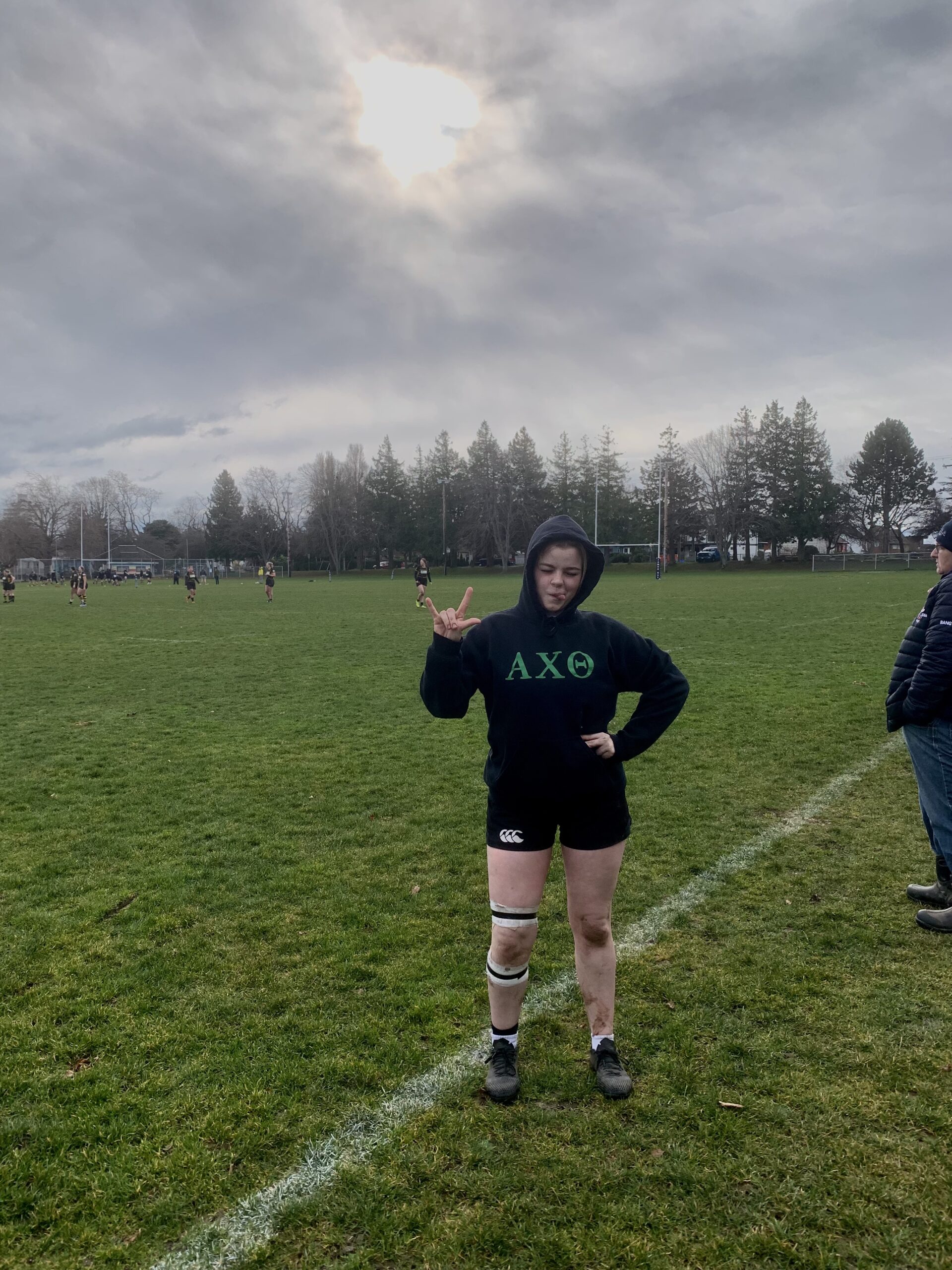
My projected graduation date will be April 2027. This is because I like to prioritize not only my schooling, but my job and extracurriculars as well. I am currently working as a lifeguard, swim/waterfit instructor, and receptionist at one of the local rec centres. I have been there since 2021 and absolutely love it. When I’m not at work, you can probably find me on the Rugby field or out on a drive exploring the island.

In the last couple of years, I have really grown into who I am and want to be. I got half way through my degree and felt like I had no clue what I was doing and what I wanted, and even made a switch to another post secondary institution and switched what degree I was going to complete. A few weeks before I was going to start my new degree, I had a revelation and went back to UVIC. At the end of the day, I am glad I stuck with continuing my psych degree and expanded my education, and added my almost new degree as my minor.
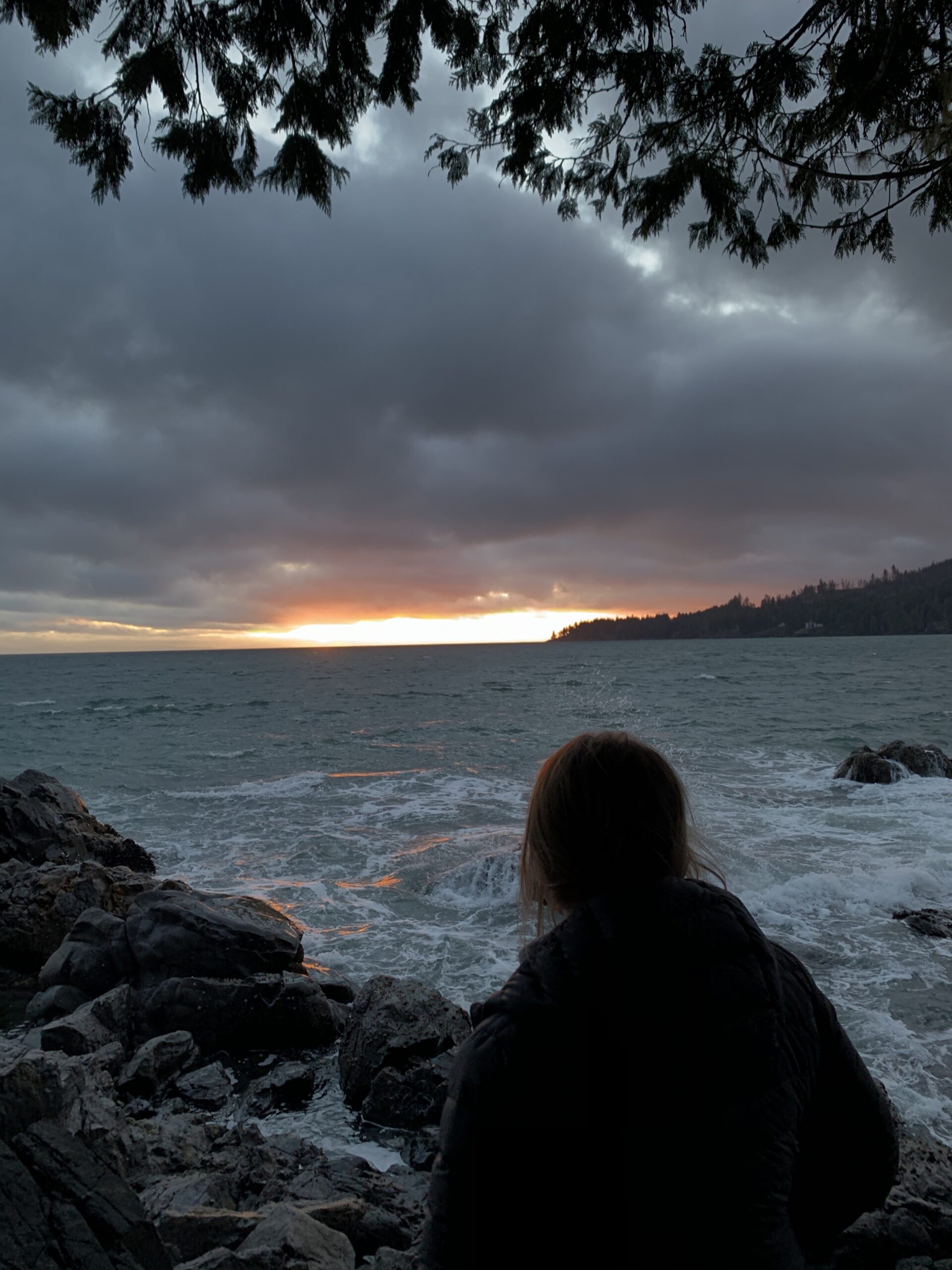
In relation to this class, the only opportunity I have had with multimedia in education would have been when my schooling went online during covid. The time of my life was so estranged from normal, and I have a negative association with that form of education. I am excited to try and re-work the association and bring a positive outlook to my studies going forward!

« Older posts Newer posts »

© 2026 Hana’s Blog

Theme by Anders NorenUp ↑