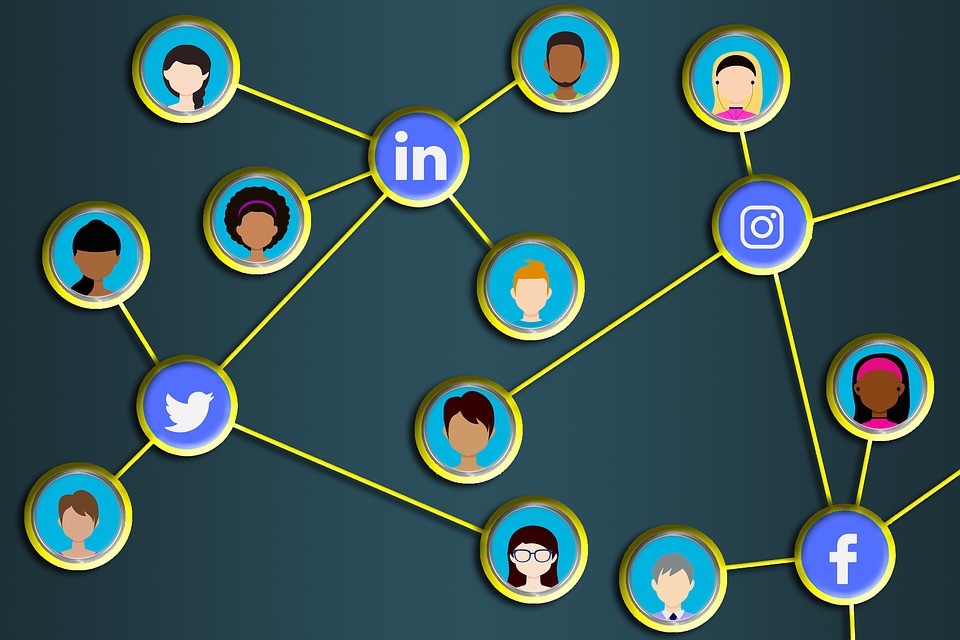
This week’s blog post made me think about just how much responsibility comes with postings on social media and contributing to the online space when you have a bigger following. Before this course, I used social media as a communication tool and a source of dopamine (which I know isn’t the best). Some of our videos and readings this week were about how we can use social media to build trust, shape how the public perceives us, and contribute to bigger ideas and conversations. This week, we watched a guest lecturer named Sophie Lui. Her topic on working in the public eye stood out to me because it targets how intentional people need to be, or even guarded, which is a word that comes to mind when they have a larger audience. Instead of using social media casually or for a fun outlet of expression, notable figures need to be cautious, with some even going through PR training just to make sure they are educated.
Hirst (2018) talks about how misinformation and fake news get more views because it grabs the viewer’s attention, maybe because of the language, if it is a written post, or because it is clipped in a way to draw the viewer in at the beginning of the video. This makes me think about how it is so easy to view inaccurate information. With AI advancing, I see how people like my parents, who have not grown up with social media, can not distinguish between what is real and what’s not. My dad will send me videos where I can tell they are AI but he can’t. This is an example of inaccurate information that is getting traction because the content is attention grabbing. On the other hand, people in positions or jobs that the public trusts, such as doctors, lawyers, or educators, the things these individuals post or interact with can be a greater risk because their credentials or professional reputation can affect the things they have worked so hard for.
We have so many people with different experiences that could be in life, beliefs, socioeconomic status, family, work, all driving perspectives that could contribute to the conversation. Social media algorithms can be created around the things you search, like, the people you follow, all because it is things that we align with. The conversation we engage with can become tricky if the places we get our content from don’t go beyond our personal algorithms. This is why having a PLN that is diverse and wants credible information or media literacy. A space that encourages critical thinking, fact-based information, and respectful dialogue. Media literacy can help build you personally or when there may be arguments or discourse, it can help prompt thoughtful engagement with information rather than passively accepting it.
PLN & Education
The TED Talk video titled Encorporating & accounting for Social Media in Education by, for this section by Henry Dyer in 2016 emphasises how a PLN can be a tool for professional growth and continuous learning. One thing that has made these things possible is social media. Social media has been able to make these connections more accessible, helping is going far beyond formal education settings. Some things a PLN and Education would have in common are that they both use collaboration, offer access to multiple perspectives, and help stay current with new information.
Several platforms on social media help in the development of professional learning in an educational context. Linked in is used to help professionals network, while on the other hand, while this doesn’t happen as much now X used to help educators find people to discuss and access current information from people in the field. YouTube would be another app that helps provide instructional videos, tutorials, or even the TED Talk we watched for this week. These platforms can strengthen a PLN because it gives opportunities to learn from others on a continuous timeline.
While people work in sectors with a vulnerable population, this could be children or youth, social media must be used carefully and professionally. Teachers or Educators must keep their lives separate and maintain their privacy, confidentially, and set appropriate boundaries online. There should be specific guidelines, whether they are put in place by the institution or maybe just an educator created for themselves, that should be stuck to. The TedTalk highlights that professionals need to be mindful of their digital footprints, going back to how, when you have an online presence, this can be influential in some capacity and can be damaging if not done with thought about how it could be perceived.
Sources
Digital Literacy Skills – Media Literacy pp.66 https://tinyurl.com/4n2cn89n
Incorporating & accounting for Social Media in Education
Journalism by Martin Hirst Chapter 4. The Political Economy of Fake News – pp.78
http://ezproxy.library.uvic.ca/login?url=https://www.taylorfrancis.com/books/9781315401263
Media Literacy – Facts Matter – Course YouTube Channel