Inquiry Topic
- Social Media and Attention Spans: Does social media support learning or reduce focus and productivity?
Inquiry Question:
- How does social media affect attention span, focus, productivity, and learning in digital environments?
Purpose of the Inquiry
- The purpose of this inquiry project is to explore how social media impacts concentration, learning habits, and productivity in online environments. Social media platforms such as TikTok, Instagram, YouTube, and X are increasingly used for communication, entertainment, and educational content. However, these platforms may also contribute to distraction, reduced attention spans, and difficulty maintaining focus.
- Through this inquiry, we want to examine both the positive and negative effects of social media on learning and productivity while reflecting on my own digital habits and experiences.
- This topic connects to distributed and open learning because many learners now use social media as a source of information, collaboration, and educational content.
Learning Plan and Weekly Blog Posts
Week 1: Understanding Social Media and Learning
- Look online and through course content to find research on how social media is used in education and learning
- Looking research or stats on search time preferably in ages 12-18 on social media use and screen time
- Look into Australia banned social media for children under the age of 16
- Reflect on my own social media habits and attention span
Week 2: Attention Span and Digital Distraction
- Look into how prolonged scrolling and notification could affect focus/ concentration
- Track our personal screentime including distraction
- Could be documented by screen time app or journaling
- Compare study sessions with and without social media access
- Compare studying or school work with and without phone distractions or social media
- This could be by keeping the phone somewhere else
Week 3: Educational Content on Social Media
- Engage in and analyze educational creators on our social media platforms:
- Tiktok
- Youtube
- Critically think about based on research from past weeks or our own experiences whether short-form content improves or weakens learning
- Look into credibility of the content we are engaging in by fact checking with peer reviewed research: what did we find
Week 4: Reflection and Final Evaluation
- Summarize our findings about or inquiry topic and question
- Reflect on our own experiences and possible changes in productivity and focus the past weeks
- Evaluate based off the past weeks if social media is more beneficial or harmful for learning.
- Track other factors like sleep, mood and overall feelings and talk about potential changes we would or could make to better ourself and our productivity
Technologies and Platforms
To document our learning we will: learning, I plan to use:
- Post weekly on our wordpress blogs
- Use apps or a calendar or some sort of planner to track weekly tasks and keep ourselves accountable
- Use screen time tracking tools and screen time limits on problematic apps
- Use educational resources, articles, podcasts, and videos
Multimedia and Open Resources
Each weekly post could include:
- Reflection and analysis and research based on week above
- Screenshots or graphs related to screen time or
- Journal entries
- Mind maps or visuals similar to that
- Links to articles, videos, podcasts, and educational resources we found helpful
Expected Outcome
By the end of this inquiry project I hope to be able to better understand the effects of social media use and how it plays a role in attention span and focus. Whether that be from research and better educating ourselves or from personal experience and improving in areas because of this assignment.
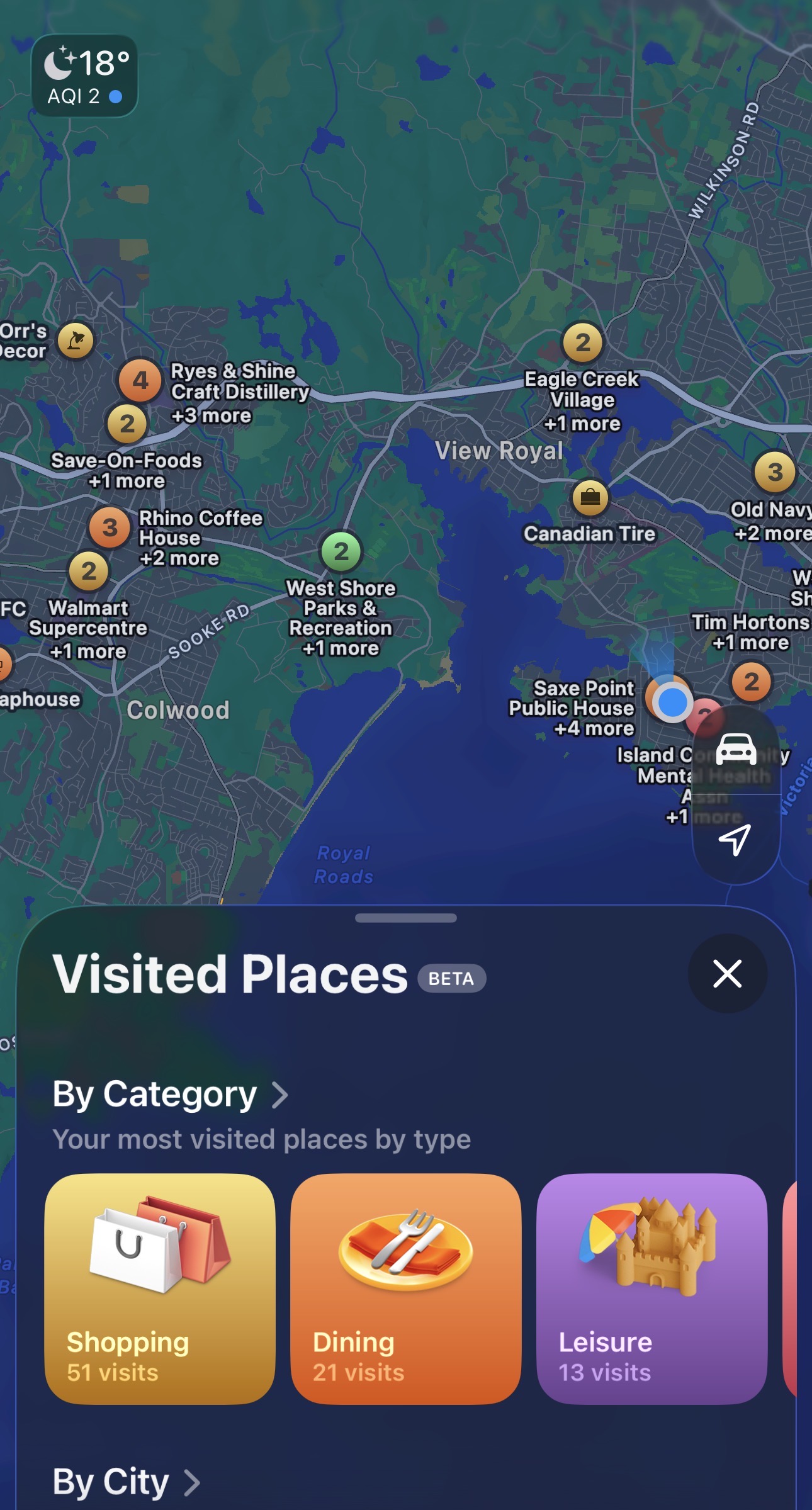
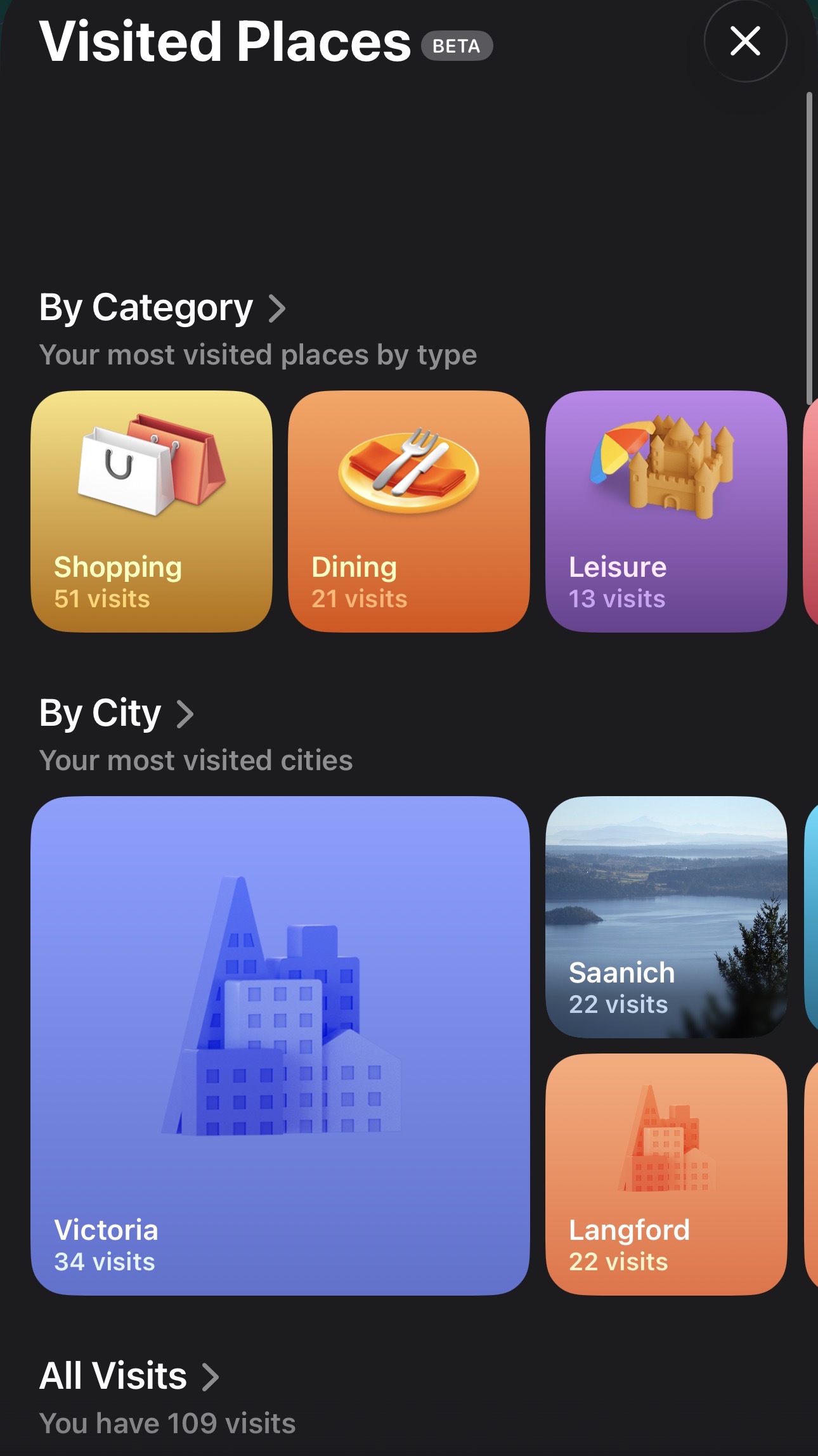
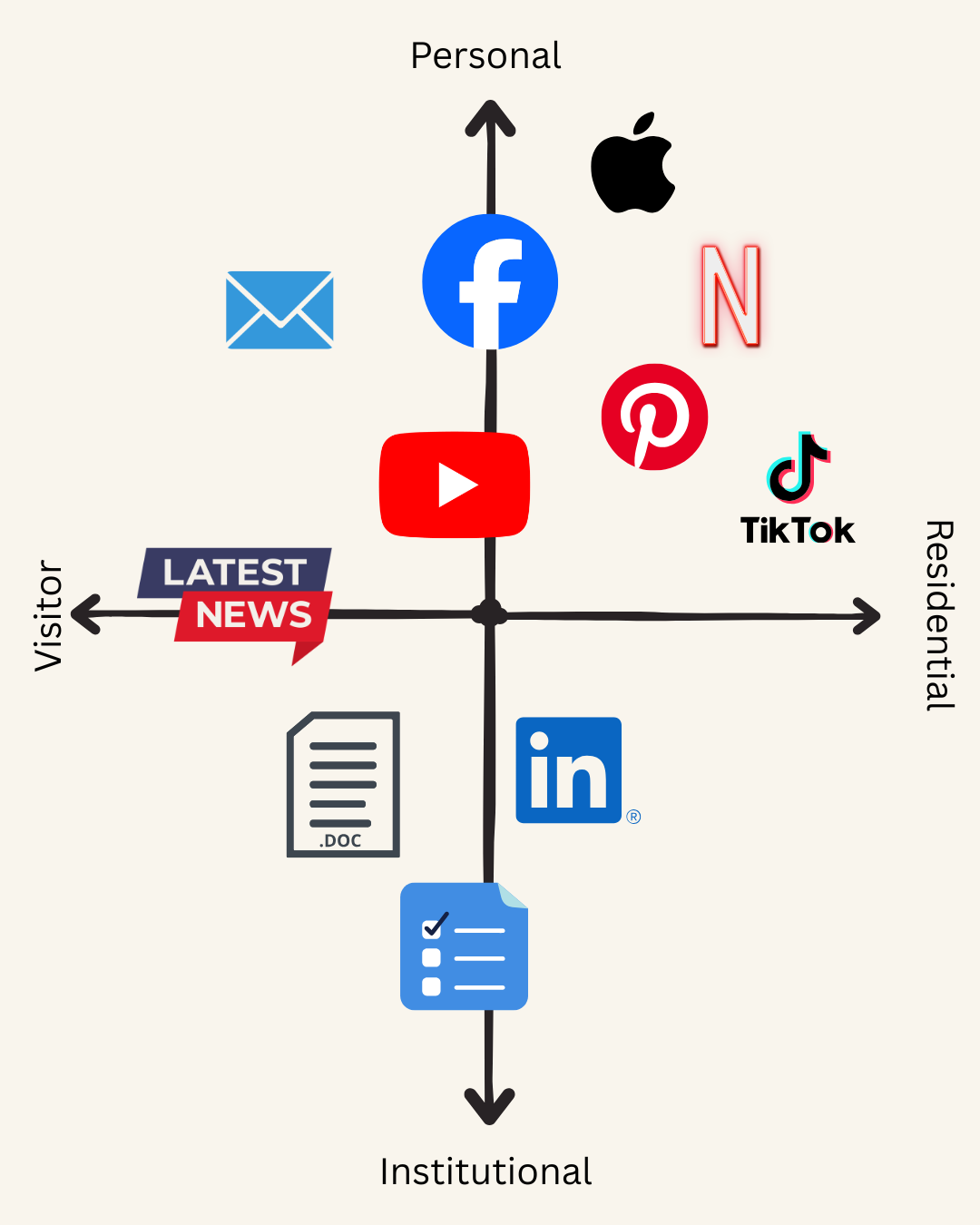 In my personal learning network, I would say there is a variety of professional and personal sites, apps, and websites I use. The platforms that I use most (and that appear in my screen time the most) are Instagram, Safari (for Brightspace), TikTok, YouTube, Apple Music, and Gmail. Some of these apps I use mainly for personal use, while others are for professional use. There is also a merge of education for my professional life/school, and my personal education. This project was a great way for me to visualise this better and realize how the things that we use online is an amazing multitool and how it has built and influenced my digital identity. Creating this Visitor and Resident map showed me that I use platforms vastly differently, and it all starts from what my purpose is. Brightspace, Google Docs, and Outlook are more towards the visitor category in my map because I mainly use them for my studies and education. On the other end of the spectrum, apps like Instagram, TikTok, Pinterest, and Apple Music are more aligned with my resident identity because my usage of these apps focuses on my ability to interact with people, engage in my interests, share content, and absorb new information. When using these and engaging with people via a digital platform we all do this differently depending on our goals, how we participate and what interaction people are seeking online. When I dove a little deeper into this thought, the research from our linked article from White and Le Cornu (2011) made a connection to how people’s online engagement is not fixed but is more similar to a continuum. This moves from “Visitor” and “Resident”. This article mentions and leans towards how people use digital spaces differently, and is all based on the specific context and why we are using the platform.
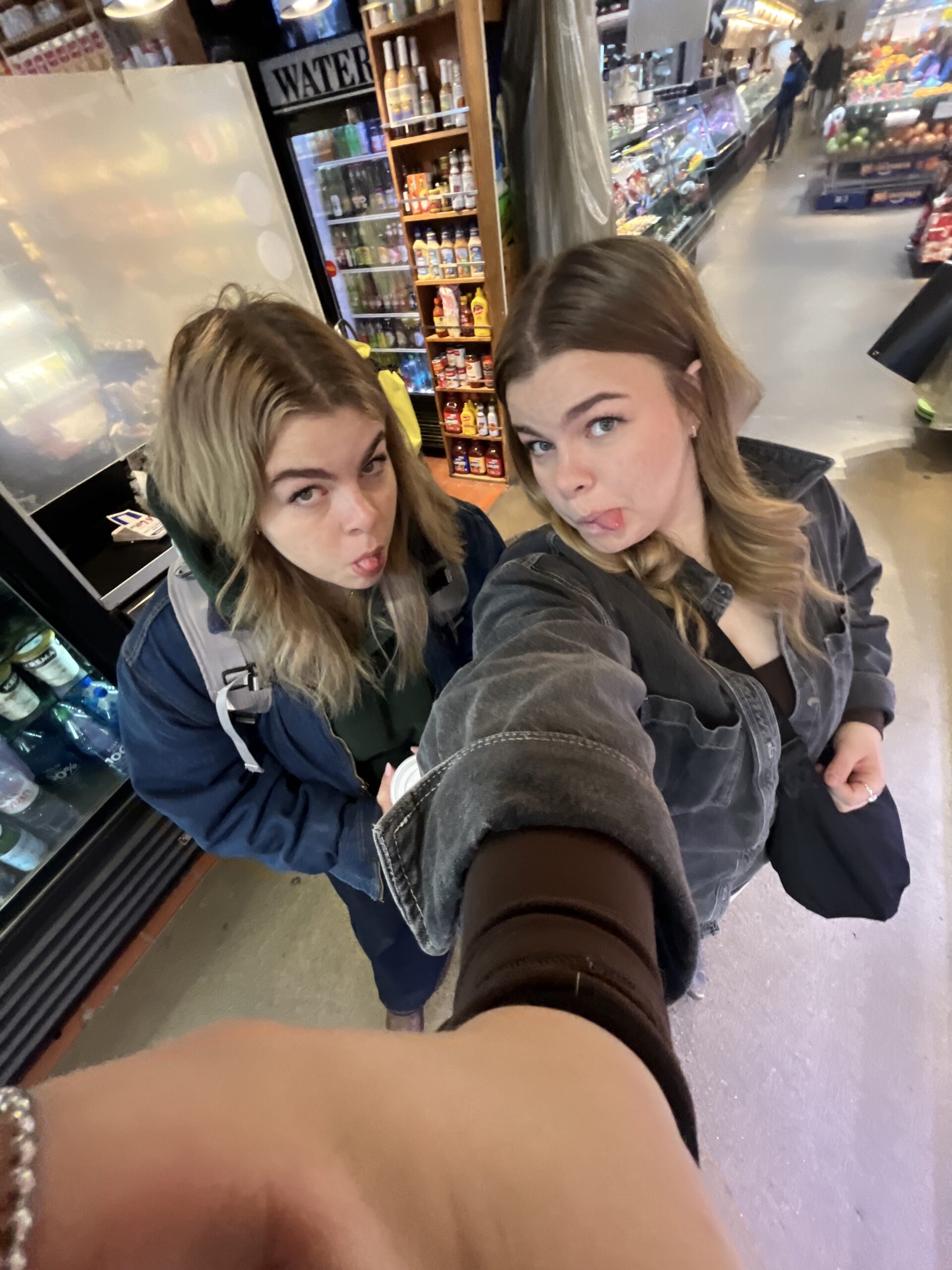 I was born and raised in Victoria, B.C., and have lived all over the island in my 22 years of life. All of my family lives on the East Coast, my dad being the one to break that cycle. He came out to Victoria for the first time at 20, got a job as a lifeguard, and after spending one winter here, decided Victoria was way too nice to ever leave compared to Ontario. So now whenever I get the chance, I go to Ontario to visit family. Family is one of the most important things to me, and…. My favourite fun fact is that I am an identical twin! (I’m on the right)
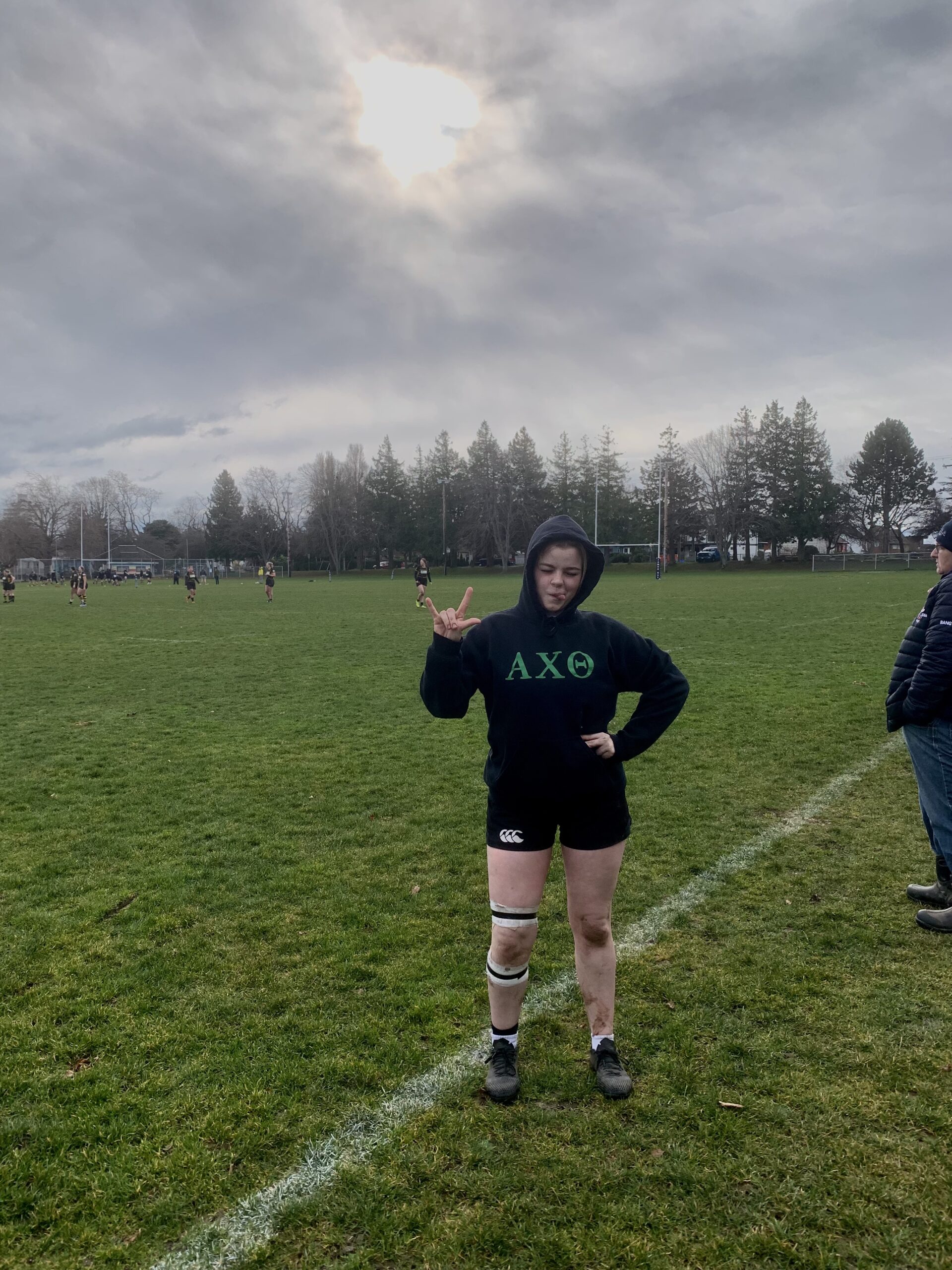 In the last couple of years, I have really grown into who I am and want to be. I got half way through my degree and felt like I had no clue what I was doing and what I wanted, and even made a switch to another post secondary institution and switched what degree I was going to complete. A few weeks before I was going to start my new degree, I had a revelation and went back to UVIC. At the end of the day, I am glad I stuck with continuing my psych degree and expanded my education, and added my almost new degree as my minor.
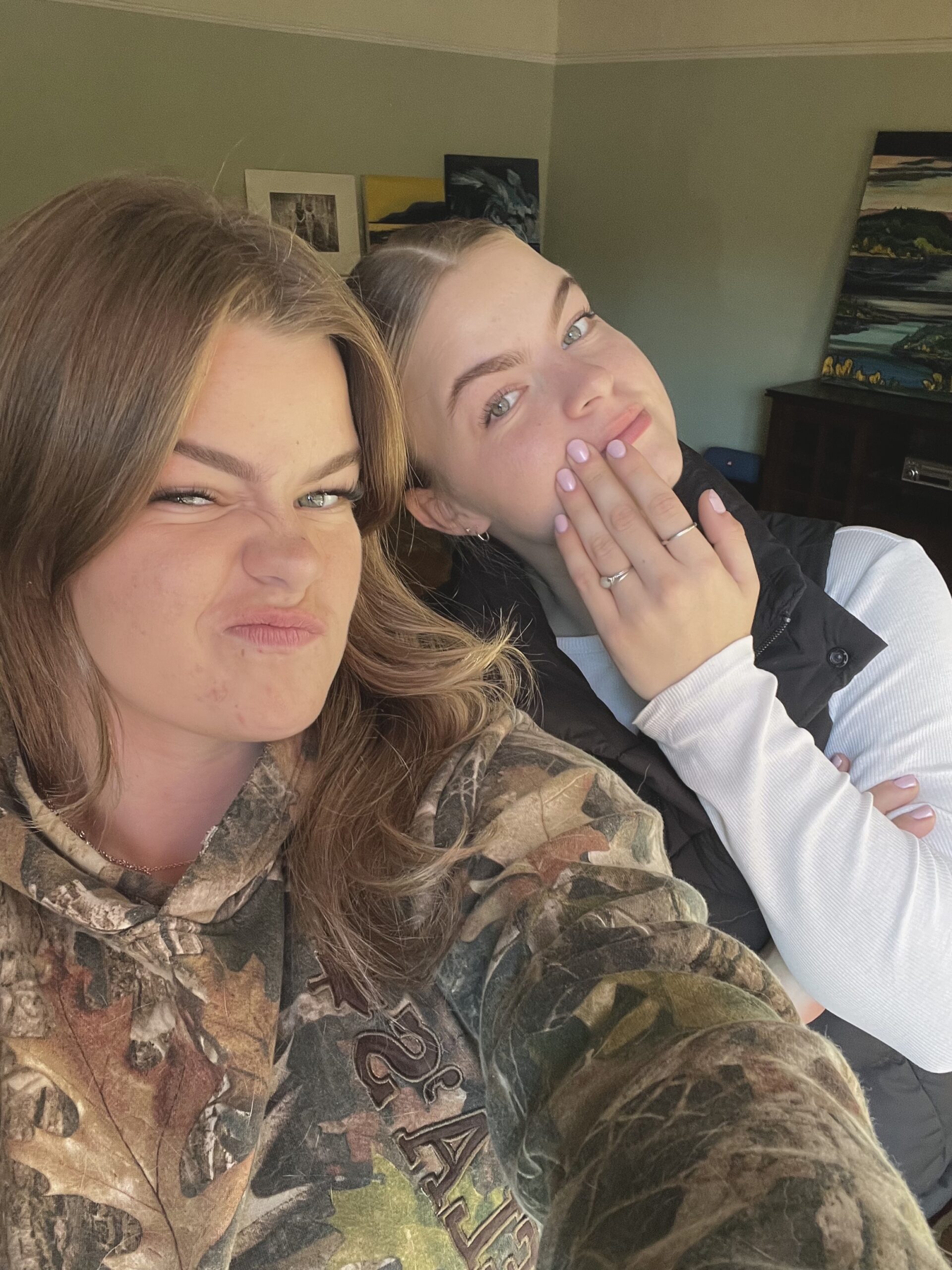 To end this intro off, I thought it would be cool to leave you with a fun fact. That being said, I was born with a built-in best friend, aka I am an Identical twin. No, we both don’t go to UVIC. She continued her studies at Camosun. No, we can’t read each other’s minds, but we do finish each other’s sentences, so some could say we do. Yes, we have played tricks on people. Our 2nd grade teachers didn’t notice we switched classes, but the students sure did. That is one thing we have done and decided we don’t ever need to do again, at least not purposefully. Funny enough, we both work at the same recreation centre, and when people see me at reception and then go into the pool and see her, lifeguarding or teaching a water fit class, they immediately think that I can change my outfit really quickly or I’m just working all the time.